Showing posts with label Stories. Show all posts

Monday, July 15, 2019

Summertime Writing: Combine and Adapt Ideas In Stories

In the last innovation post, I tried to use the substitution method for story innovation. In this post, I'd like to try the next SCAMPER methods of innovation and creativity. I will do the second and third of the seven parts of the SCAMPER method in this post—Combine and Adapt.

New ideas created on this page are ©2019 by Ken Wickham

1. State the original idea, problem, or question (source).


For this case, Mary Shelley's Frankenstein Synopsis found at Wikipedia. I cut together pieces of the larger synopsis.

tells the story of Victor Frankenstein, a young scientist who creates a hideous, sapient creature in an unorthodox scientific experiment...the Creature tall, about 8 feet (2.4 m) in height and proportionally large. Despite Victor's selecting its features as beautiful, upon animation the creature is instead hideous, with watery white eyes and yellow skin that barely conceals the muscles and blood vessels underneath. Repulsed by his work, Victor flees when it awakens. While wandering the streets, he meets his childhood friend, Henry Clerval, and takes Henry back to his apartment, fearful of Henry's reaction if he sees the monster. However, the Creature has escaped.

Intelligent and articulate, the Creature relates his first days of life, living alone in the wilderness and finding that people were afraid of and hated him due to his appearance, which led him to fear and hide from them. While living in an abandoned structure connected to a cottage, he grew fond of the poor family living there, and discreetly collected firewood for them. Secretly living among the family for months, the Creature learned to speak by listening to them and he taught himself to read after discovering a lost satchel of books in the woods. When he saw his reflection in a pool, he realized his physical appearance was hideous, and it terrified him as it terrifies normal humans. Nevertheless, he approached the family in hopes of becoming their friend. Initially he was able to befriend the blind father figure of the family, but the rest of them were frightened and they all fled their home, resulting in the Creature leaving, disappointed. He traveled to Victor's family estate using details from Victor's journal, murdered William, and framed Justine.

The Creature demands that Victor create a female companion like himself. He argues that as a living being, he has a right to happiness. The Creature promises that he and his mate will vanish into the South American wilderness, never to reappear, if Victor grants his request. Should Victor refuse his request, The Creature also threatens to kill Victor's remaining friends and loved ones and not stop until he completely ruins him.
Fearing for his family, Victor reluctantly agrees. The Creature says he will watch over Victor's progress. 

2. SCAMPER

Substitute is about replacing parts of the story. Characters, description, setting, plots, or conflicts may be replaced with alternatives.
Combine is about merging two or more ideas, processes, or products into one.
Adapt is adjusting, changing, and tweaking to make more suited for the current situation.
Modify, minimize, or maximize
Put to another use
Eliminate or elaborate
Reverse

Combine

The method that I will try is to trying to combine a few popular classic story elements into the Frankenstein story. I'll pick three classic popular stories, at least in the US.

To Kill a Mockingbird
A minority is wrongly accused of a crime committed by a prejudice and lazy low life character that only has the benefit of being a member of the majority. The wife of this character dreams of having an affair with the accused character prior to the accused "crime".

Maybe the best way to combine these stories is to use the De Lacey family, the family that adopts the creature and are living in exile from the government for treason, in a similar way that Mayella and her father, Bob Ewell are used in the story. Or I can use the creature in the same way as Boo Radley, the reclusive person next door that is friendly with Scout and Dill and eventually saves them from Bob Ewell.

Victory Frankenstein could either be more like Aticus, the lawyer that defends Tom Robinson, the accuse, or like Tom Robinson himself.

The Grapes of Wrath
Since Tom Joad eventually kills the person that kills his friend Jim Casy in a union violent clash, the creature might work well as Tom, recently released from prison and now a fugitive breaking parole, the main character in the book. Victor Frankenstein might work as Jim Casy, his friend from the town that they left due to bank foreclosure and journeyed to California in search of work. After a flood, they might seek higher ground and find in a barn a boy and starving (blind) father, the De Lacey family

Aladdin
Maybe Victor could play the role of Aladdin, an impoverished youth that is recruited by the creature to recover a wonderful oil lamp from a booby-trapped magic cave. The creature could play the role of the sorcerer from the book. A genie appears after rubbing a magic lamp. With the power of the genie, Victor becomes powerful and marries a high society princess.

The creature that recruited Aladdin might steal the lamp after which Victory must try to get back the magic lamp.

Analysis of combine technique

The Grapes of Wrath would be the most difficult to combine stories. However, To Kill a Mockingbird and Aladdin I felt had much more usable content that might be able to combine with Frankenstein.

Adapt

Adapting is brainstorming with the purpose of trying to adjust, tweak, or change a product into something more appropriate for the current situation.

The most obvious way to adapt Frankenstein, writing in the early 1800s, would be to adapt it to the modern time period. Weird science sort of adapted Frankenstein to the 80s.

How could Frankenstein be adapted to 2019.

Let me brainstorm.
Instead of alchemy, Dr. Victor Frankenstein might use modern DNA splicing and create a creature using different DNA from different people—or even mixed with different species, a hybrid.
The creature escapes and lives with the De Lacey family which might be an off-the-grid or doomsday preppers. The creature learns from these survivalists and learns to speak English. The creature then eventually contacts Victor and threatens to kill his family if he doesn't create a partner for him.

Analysis of Adapt

Adapting might be more fun if mixed with some of the other techniques. I don't like doing a straight adaptation of Frankenstein.

Monday, December 31, 2018

World of the Fifth Sun progress 2014 to 1018


Summer of 2014

Everything really began in 2014 when during the summer I came across NaNoWriMo. Sometime around the mid or late summer I decided to try writing a novel during November. I remember checking out several books and taking notes on how to write novels.

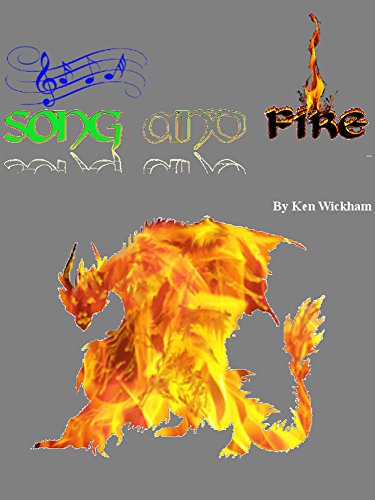
I created Song and Fire, a short novel set in a world that I called the Ea, the World of the Fifth Sun.

2015

For a more complete look at 2015 summary, see my 2016 year end review of 2015 post.

I remember revising Song and Fire during January of 2015. While this first novel only sold a few copies, it spurred me to return to tabletop RPGs after 20 years. This book's mythology is that Ea is on the third planet on the fifth sun or 'sol' in a series of worlds, each proceeding world having been destroyed in a war of gods. I can actually easily move this story into an Aioskoru human region if I wanted to.


I began World of the Fifth Sun blog on March 13, 2015.

I created several documents which would inspire generator and engine products this year in 2018. 


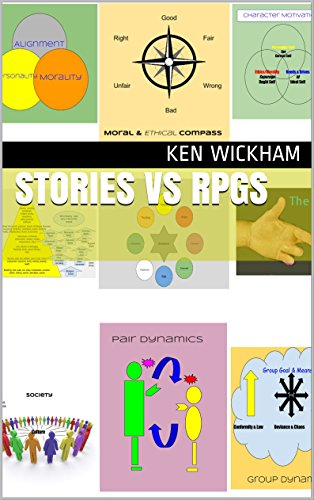
Much of my Character Generator and flaws was initially created in the Stories vs RPGs series and resulting book.

July of 2015 my nephew in my family was tragically killed by a drunk driver.

I began my Rolemaster beta testing experience around this time as well.

In October, I began creating Aioskoru.

October 28 I began trying to build Aioskoru using online random content generators and learning to expand map techniques. 

November I wrote my 2nd novel, a collection of short stories for the World of the Fifth Sun which resulted in two of the short stories being released Worn and Lanic. Although only those two stories were ever published in one small volume, I still have the remaining stories unedited in my collection. I might be able to do something in the future with this old unreleased content.

I ended the year with more map creation techniques which resulted in techniques used in Quick free maps series and book in 2016.


2016

For a more complete look at 2015 summary, see my 2016 year end review of 2016 post.
2016 began by finishing my map making techniques. 

I then switched to fantasy constructed languages. 

Dice, card, and probability brought me to ABS12 creation series. This was actually my 3rd RPG game attempt after a WotFS Fudge and FAE versions which are actually inspirations for One-Roll Fudge RPG, which were never published anywhere. While A Basic System 12 (ABS12) V1.08 may not be great in it's entirety, pieces of that game are great and are actual pieces such as the Plot Generator and Fact Generator

In mid 2016 summer, I began selling products on DriveThru and RPGNow. First, maps were my topic. It quickly switched to Aioskoru and the Solo Game Engine and Fact Generator (which are pieces of ABS12).

In late that year, I began creating Fairy language, which is a test into the possible content of books such as Elvish Language. I've had words written for Elvish since earlier this 2016 year but have changed much of it in it's current form. It is based, however, on the same words. Fairy would be published first since I knew that I owned the rights to this invented language.

5e x 5 was really the emphasis at the end of this year 2016.

Comparing open gaming systems during this year also fueled my more recent Parallel Open Gaming Systems products.


2017


2017 began by finishing 5e x 5 products for a few months. Later, Character Gen (based on Stories vs RPGs) vs, Description Gen (item focus), and Motivation Gen  (based on Stories vs RPGs) were released. 

In the blog, I began with finishing my Fairy Language which I would release a year later in PDF.

My Aioskoru Myth Making series created early 2017 has yet to be published anywhere except on my blog.

The Star Frontiers blog series helped inspire me to complete 5e x 5 Future Characters later during the year. 

In the middle of the year 2017, my MERP Collectors Edition series helped to quench my RMX anger.


Next post

Tomorrow, I might look at some goals that I wrote at the beginning of 2017 and see if there is any inspiration there.

Saturday, January 7, 2017

Grammar for writing Writing, RPGs, & Stories: Plural

I wanted to start a stand alone series just looking at American English grammar. For this series, I'll be using both Turabian's A Manual for Writers (Cicago Style) and APA Manual

I took this sentence from the first part of the 5e SRD. From this sentence, I'm going to look into my APA style guide to look at their grammar and style rules. I first mark all of the nouns, the number, and the state of possession if need be.
Is a character (sing. noun) muscle-bound and insightful? Brilliant and charming? Nimble and hardy? Ability scores (comp pl. noun) define these qualities (pl. noun) —a creature’s (sing. pos. noun) assets (pl. noun) as well as weaknesses (pl. noun).
First it would be great to review rules for plural nouns.

Plurality of Nouns (Notes from Chicago Style guide)


  • General rule: For most common nouns, form the plural by adding s. For words ending in ch, j, s, sh, x, or z add es instead: character, characters; creature's is singular; asset, assets; weakness, weaknesses.
  • For singular common words ending in consonant + y, make it plural by dropping the y and adding ies: baby, babies; 
  • For singular common words ending in consonant + f or fe, make it plural by dropping the f or fe and adding ves: dwarf, dwarves. 
  • For singular common words ending in ff, make it plural by adding a s: cliff, cliffs.
  • For singular proper words, add a s: the Wickhams
  • For compound words, add s or es to the last noun. This is the case for ability scores.
  • In a prepositional phrase or adjective follows, add s or es to the main noun.
  • For letters and numerals, form the plural by adding an s alone: Rs, 2s, 2010s. (APA agrees thought it also mentions the spelled numbers like fours, sixes, and threes)
  • For letters that might create confusion and lower case letters, add an 's: i's, x's, y's, A's, B's.
  • For abbreviations, add s: DVDs, RPGs. (APA agrees)
  • Add an 's if the abbreviation has an internal period or lower case letter: PhD's.
  • Irregular abbreviation plural: p. page, pp. pages; n. note, nn. notes. (APA agrees)
  • Science unit of measurements: 1 m, 5 m. (APA agrees)
  • Terms in italics, form the plural by adding an s in roman type: Two Scrolls of Infinitys
  • Collective nouns vary in how they are used compared to British English. Most of the time in AmE, collective nouns are singular.

Monday, June 6, 2016

Story vs RPG Part 12: Larger groups - conformity & deviance

Story vs RPG Series
Story: Elements
Story vs RPG Part 3: Character Information
Story v RPG Part 5: Personality Types
Story v RPG Part 6: Alignment, Morality, and Ethics
Story vs RPG Part 7: Character Needs
Story vs RPG Part 8: Character emotions
Story vs RPG Part 9: Lies - Our characters darkest secrets
Story vs RPG Part 10: Setting - cultures
Story vs RPG Part 11: Pair Dynamics
Story and Game Structure: Storylines
Story vs RPG Part 12: Larger groups - conformity & deviance

If you like this series support it by buying it today for kindle all in one file and without advertisement. Available in most countries that Amazon supports. 


As mentioned in the first culture post leaders of societies can be traditional, charismatic, and bureaucratic. Groups differ from pairs. In pairs two characters are dealing with their personalities mostly. In groups characters are dealing with leaders, status, roles, and ethics. They're more likely to have common group goal and an established means to achieving the group's goal. And judging the members may depend on how well the characters fit within the acceptable means and goals of the group.

Forms of Group Leadership

In addition to this, there are three leaderships styles. Authoritarian, democratic, and laissez-faire (leave it alone). Authoritarian leadership focuses on instrumental issues, is proactive, and demands conformity of its constituents. Democratic leadership focuses on expressive communication. It tries to be inclusive - involving everyone in the process. A 'leave it alone' leadership doesn't try to fix anything that isn't broken.

Common among fantasy, especially dystopian fantasy, is the concept where an authoritarian regime holds total control over most of society. Then along comes a more democratic rebel group which tries to overthrown the totalitarian regime. 

And sometimes the opposite is true as well. A weak scatter fragments struggle in isolation. Along comes some savior type character who tries to unify the fragments and oppose some force or threat to all the groups of the region.

We must unite our tribes to fend off the newly arrived demonic beasts.

Conform vs Deviate

As mentioned in the first post also there are roles, expectations, and assumptions made not only for those in specific roles in a cultural group. There is also many times the desire to make those in the group conform to fit in with everyone else. Conformity pushes obedience. Rejection of conformity can be seen as deviance.

Conformity can range from something simple like some sort of agreed upon rule to a peer group to something much more important like breaking the law - a criminal. Murdering someone breaks an important social law. Killing someone in battle doesn't break the law, unless it is in a manner that is questionable. Stealing breaks the law, but taking a stolen item from someone is okay as long as done correctly. Everything depends on the rules and laws the society has created - their ethical structure. See my post on ethics and morality for a list of different ethical systems.

Sometimes in the attempt suppressing conflict the cultural group leads to groupthink. This is a somewhat common occurrence where eliminating deviance also eliminates creativity, independent thought, and rational decisions. A group under groupthink can become irrational and dysfunctional.

We don't want to fight.


Merton's Strain Theory of Deviance

Robert Merton said that social arrangements lead to deviance. In it he looked at two contributing factors which I discussed in the ethics section: the goal and the means to achieve the goal. Once those two things are defined in a group by any type of leader, it also defines deviancy as well.

Accept goal, accept means = conformity

Failure to succeed through normal means leads to these four failures.

Accept goal, reject means = innovation
We need to change how we do things.

Reject goal, accept means = ritualism
I'm just doing what I've got to do.

Reject goal, reject means = retreatism
Why bother. Unplug and dropout.

New goal, new means = rebellion
We're doing the wrong thing in the wrong way.

Also within this structure you can see an implied progression of people from a conformed group all the way to rebellion. A character may start out conforming and then move to either ritualism or innovation. Then to retreatism. After retreatism it could lead to rebellion.

The opposite is true as well. A rebel might find their way slowly into conformity.

Events and experiences have a way of changing characters.

Hirchi's Social Control Theory

Travis Hirchi said that the ability to have social control over someone else depends on four imagined consequences.

Social attachments - these are a character's friends, family, and relationships.
Available opportunities - the ability to improve a character's status and role in the group.
Active involvement - how involved a character is in the group.
Positive belief - a character positively believes in the goal and means of achieving that goal.

If any four of those four imagined consequences are weak, deviancy becomes more likely - especially if compounded by multiple disassociation.

I think the more cliche way to create a deviant character is the first one. By making a character be a loner - without any friends and family. More interesting is creating a social character that does not conform because one of the other three weakened imagined consequences - because of lack of opportunity, too little involvement, or a negative belief. However, doing so requires not just an internal difference. In stories, they need external realities. There is opportunity in some other group, they are trying to sway the member to join. Or a character involvement is shrinking, and the character finds themself being involved somewhere else. Or the character has a negative belief about their own group, yet is beginning to believe in another group's belief.

Tuesday, May 31, 2016

Story and Game Structure: Storylines

Story vs RPG Series
Story: Elements
Story vs RPG Part 3: Character Information
Story v RPG Part 5: Personality Types
Story v RPG Part 6: Alignment, Morality, and Ethics
Story vs RPG Part 7: Character Needs
Story vs RPG Part 8: Character emotions
Story vs RPG Part 9: Lies - Our characters darkest secrets
Story vs RPG Part 10: Setting - cultures
Story vs RPG Part 11: Pair Dynamics
Story and Game Structure: Storylines
Story vs RPG Part 12: Larger groups - conformity & deviance

If you like this series support it by buying it today for kindle all in one file and without advertisement. Available in most countries that Amazon supports. 

I'm not sure where this post is going to go. I wanted to explore the structure of stories and role playing games. This may lead to a series on creating stories from ideas to storylines to outlines or sandbox tools and to finally the scenes. It may in future posts focus on plots, acts, chapters, adventures, series, and books. But today I just feel like writing and researching storylines - both for bestsellers and adventure sourcebooks to see how similar and different they are.

Are storylines for bestselling novels and rpg sourcebooks similar? Can they catch the essence in one single sentence, even though they may using several paragraphs to describe the story?

Storline of a Story
A storyline (or story arc) is one of the most basic part of an adventure or story. That is has been called many names.

In writing, these may be called the storyline, narrative thread, plot thread, or story arc.

In gaming, these may be called rpg plots, adventure ideas, adventure types, story or plot hooks, or plot or adventure seeds.

At its core, a storyline can be told in one sentence. Books normally have several paragraphs at the back of the book. I'll try to rip out the three most important parts of the three paragraphs and put them into one sentence.

In gaming, if you have this one sentence, you most likely will be able to run an entire game adventure. All of the maps, encounters, and obstacles support this one storyline. In a sandbox style game, as long as you know the reason for the adventure - the storyline - details can be attached to that basic structure to flesh the sessions out.

Storylines in games can either be pre-bought, pre-made, developed with help of the players, or made on the fly.

What are the three most important parts of a storline? These I think are the prominent characters, the main action thrust, and the opposition of the story or game adventure.

Five examples from current fiction bestsellers and RPG adventure sourcebooks will be spliced.

Book Bestseller Examples

For these I am using for these examples 1. Me Before You by Jojo Moyes, 2. A Man Called Ove by Fredrick Backman,  3. End of Watch by Stephen King, 4. Enemy by K. Eason, and 5. Pines by Blake Crouch.

Who are the prominent characters in generic and universal terms?
A storyline normally doesn't name the protagonists or player characters. If it does name the character, unless the name is widely known readers picking up the book have nothing to connect to the name. The more important part is the description of the name. This is normally an adjective word followed by a common noun.

Here are some examples pulled off of the more recent best sellers.


  1. an ordinary girl
  2. a chatty young couple
  3. retired police detective
  4. half-blood conjuror and smuggler
  5. secret service agent


What must they do?
A summary of the main action thrust of the plot must be written down or hinted at. This also reveals conflict between the prominent characters and the third part - the opposition. This shows what the main characters must do. It tells where the story will go.


  1. she sets out to show him that life is still worth living.
  2. All of which will change one cranky old man and a local residents’ association to their very foundations.
  3. pulled into their most dangerous case yet, one that will put their lives at risk
  4. must decide whether her partner’s life is worth betraying her allies and damning the Republic to war.
  5. locate and recover two federal agents who went missing


What is the opposition?
A storyline normally hints on who or what the antagonist or opposing force is that is preventing such action from the prominent character from occuring.


  1. ex–Master of the Universe ... , who is wheelchair bound
  2. a curmudgeon ... the bitter neighbor from hell
  3. perpetrator of the Mercedes Massacre ... is awake, and in possession of deadly new powers that allow him to wreak unimaginable havoc without ever leaving his hospital room
  4. the goddess is back ... she wants revenge
  5. he may never get out of Wayward Pines alive
Example of making a one sentence summary
I'll just make the first example into a one sentence storyline summary.

  1. An ordinary girl sets out to show a wheel chair bound ex-master of the universe that life is still worth living.
The entire essence of the story is rolled up into one powerful sentence.

You can try the other sentences or do them in your mind like I did.

Gaming examples

For these, I'm using 1. Curse of Strahd by WoTC, 2. Prince of the Apocalypse by WoTC, 3. Curse of the Crimson Throne by Jacobs and Logue , 4. For Queen & Empire by Stephen Radney-MacFarland, and 5. Exquisite Agony by Schwalb Entertainment

Who are the prominent characters in generic and universal terms?

  1. a party of adventurers
  2. adventurers from heroic factions
  3. a ragtag group of heroes
  4. Arriving in the imperial capital, the adventurers
  5. The devils and mortals


What must they do?


  1. has just entered his domain ...
  2. must discover where the true power of each prophet lay, and dismantle it before it comes boiling up to obliterate the Realms
  3. can they stand before the might of one of Golarion’s most notorious villains?
  4. To impress the queen and secure a royal audience, the wicked characters must scour ... to root out and eradicate a secret organization that works to free halfling slaves
  5. must join forces and take a stand against the impossible foe


What is the opposition?

  1. the vampire ... The master of Castle Ravenloft
  2. four corrupt prophets have risen from the depths of anonymity to claim mighty weapons with direct links to the power of the elemental princes
  3. a new queen
  4. Her Infernal Majestrix Queen
  5. a grim darkness cast by the Voice in the Void
Example of making a one sentence summary
I don't really like the first one since it's very vague. I'll do the second one instead
  1. Adventurers from heroic factions must discover the source of the mighty weapons true power of each of the four newly risen corrupt prophets and dismantle it before it comes boiling up to obliterate the Realms.
Although not as straight forward as the novel example, I did manage to muscle in what I believe is the entire storyline of the RPG sourcebook.

Conclusion

I believe most stories, both novel and rpg adventure sourcebook, can use these three chunks of information (who are the characters, what must they do, and what is opposing them) to write one sentence that clearly tells what the story is about.

Monday, May 30, 2016

Story vs RPG Part 11: Pair Dynamics

Story vs RPG Series
Story: Elements
Story vs RPG Part 3: Character Information
Story v RPG Part 5: Personality Types
Story v RPG Part 6: Alignment, Morality, and Ethics
Story vs RPG Part 7: Character Needs
Story vs RPG Part 8: Character emotions
Story vs RPG Part 9: Lies - Our characters darkest secrets
Story vs RPG Part 10: Setting - cultures
Story vs RPG Part 11: Pair Dynamics
Story and Game Structure: Storylines
Story vs RPG Part 12: Larger groups - conformity & deviance

If you like this series support it by buying it today for kindle all in one file and without advertisement. Available in most countries that Amazon supports. 

In the last post issues discussed are setting, worldbuilding; society, culture, individual; types of authority, boundaries, time; roles, expectations, acceptable behavior, choices, status; evaluation, assumptions, cause of behavior, change in behavior; and consensus control. This post may refer to that last post to build and discus further story issues related to culture.


In this post I wanted to convert sociological jargon for the smallest of the groups and culture - the two person group. For example, a two person relationship in sociology calls a dyad. I'll just call it a pair.

In this post for an example I'll used two character examples. Although put in a modern setting, I do so since this is a fantasy community and so this common series of relationships wont directly transfer to someone else's story. It's a fairly common relationship which has been done before. Everything will also transfer over to any specific fantasy setting with a little changes here and there.

They are George and Martha. You pick which is which in the photo above. It doesn't matter. I'll put their text in italics. So you can skip that text if you don't want to read it.

Pair Dynamics
When two characters come together interesting things can happen. In RPGs, normally the more vocal players rather than the characters they are portraying can sway the team towards group actions and ideas. Someone who is naturally quiet might not shine, unless they are vital characters to the team.

If you bring two characters together both games and stories, at first they might struggle to find out who is dominant and who will follow. They may not be considered a 'pair' until they settle on their relationship dynamic. Two characters may clash, but heads, or fragment apart if the group does not find their gelling pair dynamic.

George is being assigned to work with Martha for the first time. What happens has a lot to do with their struggle to find a working relationship. Until they settle into a comfortable working relationship, no working chemistry or bond will be made.


Using Personality Type systems to find clues
This is very easy if one personality type is an extrovert and one is an introvert, which are shown in the Keirsey and Myers Briggs systems in the personality types post. Other personality type systems may require a moment to think about type comparison. Or you can use the conversion chart at the bottom of the personality type post which I recently added for several popular systems. When you have an extrovert and introvert, the decision is quite easy. Even if the introverted character has more status and rank, the lower status extrovert naturally will tend to try steering the higher status introvert their way using methods discussed later.

George is a INTP personality type person: an architect, theorist, designer, and attentive. He's a thinker. George likes to think things out, coming up with all sorts of ideas. He's most comfortably an introvert.

Martha is a ESTJ personality type person: an expressive, supervisor, implementer. She's a protector & reformer. Martha likes lead, motivate, and spurn her work team to success. She's most comfortably an extrovert.

Getting to know Another Character
1. Physical Description
How a character looks can influence the character's initial meeting. How they initially speaks can also be included in this initial judgement. Characters may prejudge the other character just based off of how the other looks and sounds entirely at first. Their assumptions may be based on past experiences or even something they have heard from someone else. Reputations may proceed their meeting. This may begin to form the perceptions of each of the characters towards each other.

George wears conservative clothing. His style is average and functional. He is well groomed. When he speaks, it is in a low in volume and sometimes a little coarse. He sometimes speaks rambling on about ideas which he learned or thought about recently in grad-school.

Martha wears high end clothing. She wears trendy clothing. Her well put together clothing is brilliant and stands out in a good way among peers. Her reputation that George overhears from HR is that she is tough, hard to please, and a stickler for results. She speaks energetic and full of life. She gets straight to the point.

Martha sees George and immediately is at ease. She senses from his appearance that he will probably go along with the team. 

George is on his toes. He wants to impress Martha with his great ideas, which he is full of. 

Martha hears the ideas and begins to try figuring out if any of it will be useful. She wants him to fit in and doesn't confront him quite yet about the impractical ideas presented.

2. Personality Types
Next, the more social, aggressive, controlling, and action type characters may try getting to know, assigning tasks to each other, or getting them to do something. They are exploring their role and expectation between each other. Fears and secrets my spurn their interaction. The characters are trying to find out what benefit they might get from the interaction.

If they both will gain from their relationship, then the relationship will grow. If they feel that they are losing too much, they will begin to fragment. The actual sought benefit or avoided loss depends on the characters's personality type. Some personality types are willing to sacrifice their own good for the benefit of others. And some would never give into other's wishes.

In fact, one of the pair members may feel they are gaining something while the other may feel they are losing something. These are one-way relationships.

Martha is interested in functional ideas. After a few days, once George is settling in, she begins to compliment him on the good ideas. At the same time for the impractical ideas she suggests maybe they should consider whether on not those ideas would really work.

George thinks his ideas are great. They would improve productivity by leaps. He begins to have trouble seeing why she can't see just how great those ideas are.

Martha is becoming impatient with George. He persistently nags trying to push his unworkable ideas. She kindly tries to redirect his ambition to no avail. George is beginning to drag her team down. She will not tolerate such results.

3. Character Interests
Then character begin to influence each other. What do they like that is similar? What issues separate by the pair members holding so different or distant interests? Can they relate to each other with even a few mutual interests?

Martha was approaching George's area to discipline him about his lack of performance when she hears a loud conversation coming from his office cubicle. He is talking about his uncle, one of the vice presidents of the company. She didn't know this! Martha stays back, pretending to do something else. George is connected to one of the superiors she is trying to impress. He mentions that his uncle is looking for new, challenging, and fresh ideas, which he has been trying to suggest to Martha. Suddenly the dynamic changes. She chooses not to discipline him. Rather she will try to use him to her advantage. She finally finds a common interest helping to form a bond or pair.


Friday, May 27, 2016

ABS12: Synonyms for writing using the ABS12 Solo Game Engine

All the changes from this page will be added to the complete master game page at A Basic System 12 (ABS12).

ABS12 Solo Game Engine and Fact Generator
ABS12: Basic Fact Generator
ABS12 Solo Game Engine: Additionals, Branching, & Conditionals
ABS12: Synonyms for writing using the ABS12 Solo Game Engine
Testing the ABS12 Solo Engine and Fact Generator
ABS12: Story Engine
ABS12: Drama Escalator

ABS: Solo Gaming Engine - flexible version It contains 1d6, 1d8, Fate, Fudge, 1d10, 1d12, 2d6, 3d6, 1d20, 4d6 JAGS, and 1d100 columns and modifiers.

After test playing and looking over the ABS12 Solo Game Engine yesterday, it came to me that maybe a list of synonyms for the main engine terms might be helpful. It might help explain the different results using different wording. When I write I try to show the decision points using actions and descriptions, rather than noticeable transitional sentences and conjunctions. But still these concepts are underlying those story actions and descriptions.

ABS12 Game Engine System Synonyms

maybe - perhaps, possibly, conceivably, it could be (that), it may be, it is possible (that), perchance, for all one knows, mayhap, there's a chance

if and only if - on (the) condition that, provided (that), presuming (that), supposing (that), assuming (that), expecting (that), as long as, given that, in the event that, believing (that), judging (that), speculating (that), thinking (that), surmising (that), guessing (that), imagining (that)

unless - except if, save, except on the condition that, except under the circumstance that

however - but, still, yet, though, although, even so, anyway, anyhow, nevertheless, nonetheless, despite that, that said, just the same, all the same, for all that, be that as it may, all the same, having said that, notwithstanding, still and all, regardless, in any case, at any rate, anyhoo

also - and, together with, along with, with, as well as, in addition to, besides, furthermore, plus, too, additionally, further, moreover, on top (of that), over and above that, what's more, to boot, equally, and all, likewise, by the same token

yes - surely, certainly, absolutely, indeed, okay, Ok, of course, naturally, affirmative, unquestionably, assuredly, definitely, obviously, beyond/without question, by all means, without doubt, indubitably, undeniably, irrefutably, indisputably, undeniably, evidently, plainly, clearly, unmistakably, for sure, positively, unequivocally, really do

no - absolutely not, (most) certainly not, of course not, under no circumstance, by no means, not at all, negative, never, not really, nope, uh-uh, nah, not on your life, no chance in hell, no way, no way Jose, nay, not for the moment, on no account, nevermore, not in a million years, when pigs fly, when hell freezes over, on the contrary, denied

Fact Generator © by Ken Wickham 2016. All rights reserved.

This blog may not be reproduced in any form, stored in any retrieval system, or transmitted in any form by any means—electronic, mechanical, photocopy, recording, or otherwise for any other person—without prior written permission of the publisher, except as provided by United States of America copyright law.

Thursday, May 26, 2016

Testing the ABS12 Solo Engine and Fact Generator

ABS12 Solo Game Engine and Fact Generator
ABS12: Basic Fact Generator
ABS12 Solo Game Engine: Additionals, Branching, & Conditionals
ABS12: Synonyms for writing using the ABS12 Solo Game Engine
Testing the ABS12 Solo Engine and Fact Generator


These are two tool used to help play a solo game or to help inspire in writing a story. They only help create small inspirational seeds. The author or player's creativity creates the rest of the story or game. Stories created using these tools are your own. I don't have any rights to your story. I just made a tool, much like a dictionary, thesaurus, or word prompts. These are more like word prompts rather than like outlines.

The two tools are generic and can be applied to any genre: fantasy, sci-fi, horror, mystery, action, historical, paranormal, romance, etc.

Both of the tools can also be found together near the bottom of my ABS12 gaming system draft just before the Bestiary, Monsters, and Encounter section. I also wrote two posts where they are contained separately:

Solo Game Engine
ABS12 Solo Game Engine


and Fact Generator.
Fact Generator
ABS12 Fact Generator

Solo Engine
This will be my first test of the Solo Engine which is used to help determine results based on choosing a degree of chance such as somewhat possible, rolling a 1d12 (one twelve-sided die), applying the somewhat possible modifier (+2) to the dice result, and then finding the result on the game engine chart. Interpret the result in the story writing the details needed to help realize the result.

Twelve-sided dice are available in many hobby stores or for free virtual dice at many online websites or in many dice mobile apps

This allows the story being written to change and go unplanned - much more like a gamemaster giving creating surprises and new content. Or it might be like an author writing in surprises and twists. As long as it doesn't ruin the story it's fun.

I will use it whenever I want the story to check for the answer of one story question.

Fact Generator
The Fact Generator is used to generate sensory and descriptive keywords, also using dice, that are used to help create anything or any event. The words are generic and abstract enough that the genre of the story may have to interpret the keywords according to the setting, events, and other characters that the player is interacting within in the story.

I will use it whenever I need some keywords for inspiration. I'll pick how many seeds that might help. I'll discard any that don't make sense if need be.

Method of Analysis
I'll will write the first draft of a story and include the notes on how the story results from the mechanics are determined. The mechanic notes I will put in brackets so that they are easier to find and see. I will then post directly following analysis and comments about the system. I'll then repost the story without any mechanic details for a smoother read

I plan just to do one scene, cutting when the story sufficiently changes. I'm not worried about editing the story too much. Just a basic spell check and maybe one quick read through for obvious mistakes. This just will show the ability to help generate a first draft story content using the two tools.

In real use, I probably wouldn't add the notes to the mechanical results. That is unless I wanted to know decision points that could be changeable during edits. For that type of story, I would just keep one original copy on file, then remove the notes for my working draft. If just playing a game, I might not write anything down. It might all just be in my imagination. But I like writing things down.
I
Fact Generating Setting Details
First I'll try to find some setting words. I will pick a futuristic setting on a ship in space.

1d12 = 7 = Change Symbol
1d12 = 2 = Decrease

1d12 = 1 = Sight Symbol
1d12 = 3 = Person

1d12 = 4 = Sound Symbol
1d12 = 9 = Voice

1d12 = 2 = Touch Symbol
1d12 = 3 = Sour

Decrease, Person, Voice, Sour: In this setting I interpret the first three as hearing voices in the distance. Sour I will interpret as a sour stomach. I'll make this a sleep time setting (I wont call it night, since it's in space). Time I'll also change from 24 hours to some sort of universal time.


Establishing a scene
The character awakes partway through her planned sleep.


She sat up quickly because something was amiss. Sweat droplets formed slowly on her head. She breathed heavily, the sound of her heart beat and rumble of the star-drive echoed in her head.

What awoke me?

Blurry eyed she strained her eyes to see the atomic clock only reading 45: 90 hours metric time.

"Crap," she whispered.

Carma shuffled in the bunk above her.

Jessan's stomach churned, sour with undigested food from last awake times meal.

The beating in her ears slowly faded.

Then she noticed distant voices. It sounded like an argument echoing down the ship's hallways.

Jessan rose from her dark carbon steel bed. The voices were fading gradually.

She slipped on a standard dark grey corporate shirt and knee shorts. Each deep breath helped settle her stomach.

Then loud shouts echoed out deep and forceful.

Jessan grabbed her .45 caliber Yakima automatic hydraulic pistol. It's balanced titanium grip helped calm the queasiness in her gut.

[Does she notice anything else, 0 half & half, 1d12 = 3; No]

Her ears now fully cleared, with only the hum of the ship, focused in on voice or voices. She stepped outside one step at a time on the balls of her feet.

At the door she stopped and listened.

Carma was muttering words in the bed behind her. She heard the word, " ... grass ... ," a word she hadn't actually seen in several atomic metric years.

She put her index finger of her free right hand into her right ear and turned her left on towards the hallway.

The shouting had ceased again.

[Is the noise to the right?, +4 Very possible, due to my unwritten rule that things are always on the right, 1d12 = 6 + 4 = 10; Yes]

Looking to the right down the hall, she could hear the muffled voices coming from the holo-room.

[What does she notice? 1d12 = 12 = Description, 1d12 = 8 = Round, 1d12 = 7 = Change, 1d12 = Reform ; Round + Reform > a round flashlight beam of light bouncing off of the walls]

A round blue flash light in the distance sends beams of light across the holo-room wall. The light then began to point towards Jessan.

[Does whoever is down in the holo-room shine the light on her quick enough to catch her? Very Unlikely due to her reflexes; 1d12 = 12 - 4 = 8; Yes, however (Branching). I'll generate at least one or two clues to help figure out the branching facts].
[Branching = 1d12 = 1 = Sight, 1d12 = 6 = Location; 1d12 = 6 = Mind, 1d12 = 1 = Remember; Seeing Location + Remember > Jessan will have something come to memory about seeing a location]

The light of the flashlight captures Jessan before she could make it back into the room.

I'm caught. 

The sweat of her brow is now increasing. The thumping of her pulse returned.

"Jessan," she heard a loud booming voice.

It was Credo.

Her hand were growing cold and tingly. She shook them to try getting blood back into them. He is so intimidating and threatening. Credo was one former inmate that she wanted to avoid even if it meant never speaking to him.

She scanned the hallway and then noticed the bathroom doorway. And then she knew what she must do. Her gun slid into the back of her shorts and the right hand came up to block the blinding light.

Jessan stumbled forward.

"Could you quit shining that stupid light in my face!" Her other hand came forward, having secured the gun at her waist. It came to her belly.

"Food not agree with you?" He let out a deep laugh.

Jessan didn't have to fake a retch. Tightening the muscles of her stomach and throat helped to hold back the burning and churning.

The light moved to the side a bit, out of her eyes.

Jessan stumbled into the bathroom. The door closed behind her.

She rushed to the nearest stall, lifted the lid, and aimed. And then she puked.

Analysis of Tools
As you can see, even with the same words and results, you probably wouldn't have written the same story. The tools do not automate writing a story. Rather they spurn an imagination and creativity, to instead of coming up with raw ideas, to use some seeds of ideas to create a more fleshed out story.

At parts in the story, I put my creative hat on and try to make sense of fact clues. At other times I put on my player hat and see what comes my way randomly from the solo game engine.

When I normally write I plan the big picture out ahead of time, the results are determined by my storyline. These story tools can work with outlines, to help flesh out details on a scene level.

Writing my normal method, Jessan wouldn't have been sick. The Sour spurned me to thinking of sour stomach first. Strangely it came into play again when the story shifted sideways and spurned her into the bathroom.

I think if I had written the same scene above without the tools, Jessan would have quietly snuck quietly down the hall to overhear what they were saying. Her being caught spurned me to consider what could happen and still get a similar flow. I actually cringed when she was caught - you might be able to sense my cringe because I had assigned a Very Unlikely. The bathroom was a natural place to go when someone is sick. If she wasn't sick, I could have also sent her there to use the restroom.

Now looking back, I think the story is better because she failed.

It sets up a weird situation where they know she is there, they probably will not talk loud, and she is left wondering what the argument and shouting was about.

I'll give the scene a title and copyright my work.

Anyone using the tools owns their own creations. A quick message to me might be nice, telling me if it helps any.

"Voices from the Corridor"
a scene by Ken Wickham 
Copyright © 2016

She sat up quickly because something was amiss. Sweat droplets formed slowly on her head. She breathed heavily, the sound of her heart beat and rumble of the star-drive echoed in her head.

What awoke me?

Blurry eyed she strained her eyes to see the atomic clock only reading 45: 90 hours metric time.

"Crap," she whispered.

Carma shuffled in the bunk above her.

Jessan's stomach churned, sour with undigested food from last awake times meal.

The beating in her ears slowly faded.

Then she noticed distant voices. It sounded like an argument echoing down the ship's hallways.

Jessan rose from her dark carbon steel bed. The voices were fading gradually.

She slipped on a standard dark grey corporate shirt and knee shorts. Each deep breath helped settle her stomach.

Then loud shouts echoed out deep and forceful.

Jessan grabbed her .45 caliber Yakima automatic hydraulic pistol. It's balanced titanium grip helped calm the queasiness in her gut.

Her ears now fully cleared, with only the hum of the ship, focused in on voice or voices. She stepped outside one step at a time on the balls of her feet.

At the door she stopped and listened.

Carma was muttering words in the bed behind her. She heard the word, " ... grass ... ," a word she hadn't actually seen in several atomic metric years.

She put her index finger of her free right hand into her right ear and turned her left on towards the hallway.

The shouting had ceased again.

Looking to the right down the hall, she could hear the muffled voices coming from the holo-room.

A round blue flash light in the distance sends beams of light across the holo-room wall. The light then began to point towards Jessan.

The light of the flashlight captures Jessan before she could make it back into the room.

I'm caught. 

The sweat of her brow is now increasing. The thumping of her pulse returned.

"Jessan," she heard a loud booming voice.

It was Credo.

Her hand were growing cold and tingly. She shook them to try getting blood back into them. He is so intimidating and threatening. Credo was one former inmate that she wanted to avoid even if it meant never speaking to him.

She scanned the hallway and then noticed the bathroom doorway. And then she knew what she must do. Her gun slid into the back of her shorts and the right hand came up to block the blinding light.

Jessan stumbled forward.

"Could you quit shining that stupid light in my face!" Her other hand came forward, having secured the gun at her waist. It came to her belly.

"Food not agree with you?" He let out a deep laugh.

Jessan didn't have to fake a retch. Tightening the muscles of her stomach and throat helped to hold back the burning and churning.

The light moved to the side a bit, out of her eyes.

Jessan stumbled into the bathroom. The door closed behind her.

She rushed to the nearest stall, lifted the lid, and aimed. And then she puked.